Most foreigners arrive in Korea thinking they've done their homework. They've watched the K-dramas, they know about kimchi, they've even read a blog post or two about ppalli-ppalli culture (like the ones on this very blog). They think they're ready.
They are not ready.
Not because Korea is difficult — it's actually one of the easiest countries in the world to live in as a foreigner. But no amount of reading fully prepares you for the moment a toilet seat greets you with warmth, or a stranger at the next table hands you food without being asked. Culture shock in Korea rarely feels dramatic. It's usually a series of small "wait, what just happened?" moments. Here are 8 of the ones foreigners talk about the most.
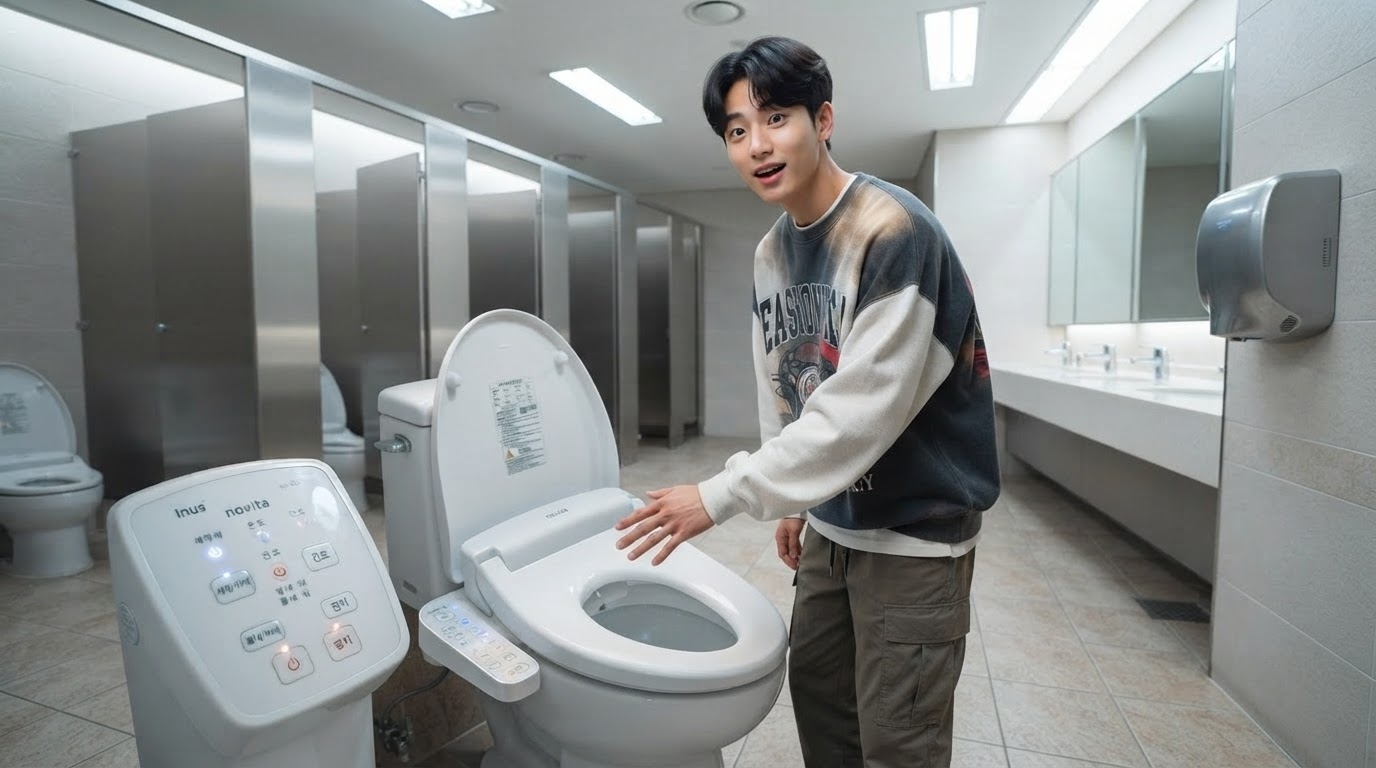
You walk into a public restroom — a shopping mall, a café, even a highway rest stop — and sit down on a toilet that is, unmistakably, warm. Then you notice a control panel on the side with more buttons than your TV remote: seat warmer, water pressure, drying function, sometimes even built-in music to mask, well, other sounds. Foreigners encountering a full Korean smart toilet for the first time often just sit there for a solid 30 seconds, reading buttons before daring to press anything. Public restrooms in Korea are also, on average, cleaner than many hotel bathrooms elsewhere — which only adds to the disorientation.
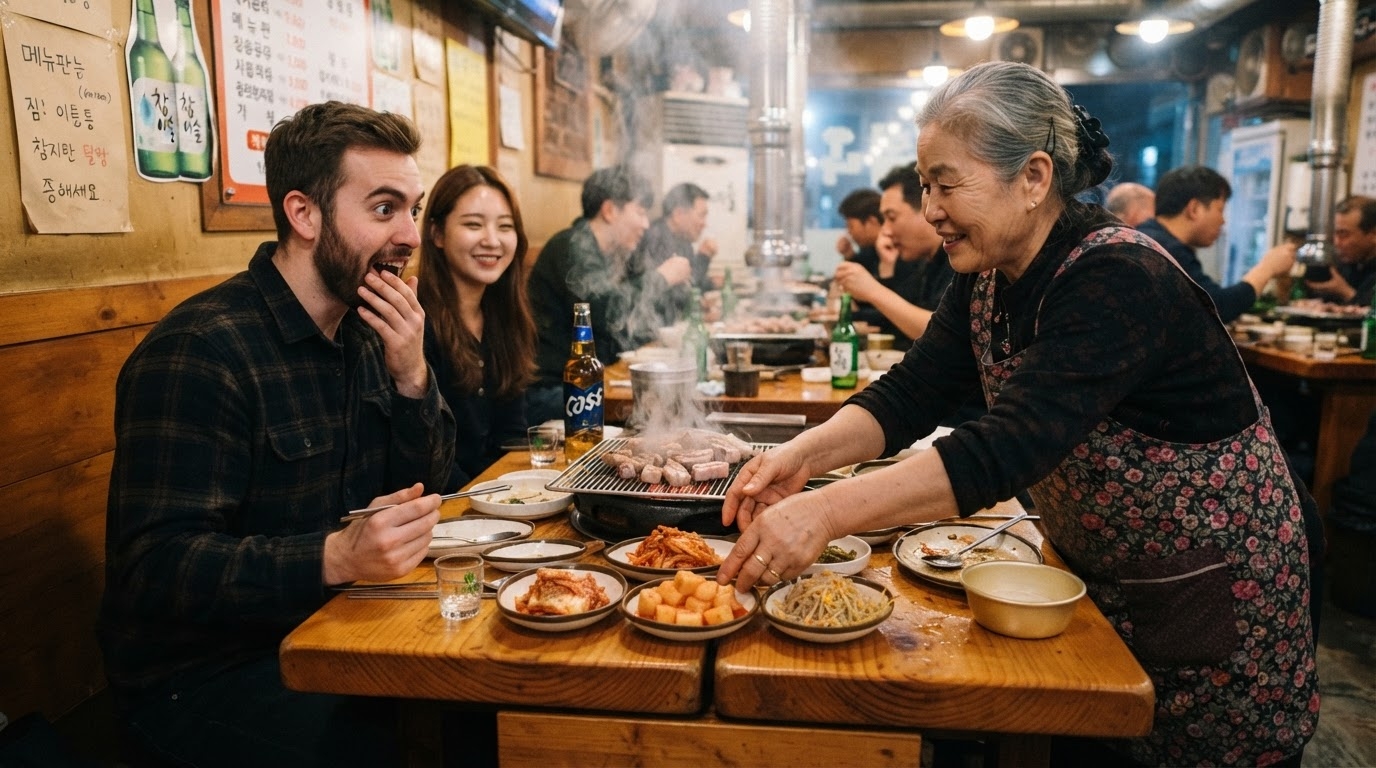
You finish a great meal, calculate 15%, and leave it on the table. The server chases you down — not to thank you, but to gently, politely hand the money back. In Korea, tipping isn't just uncommon; for some staff it can feel oddly uncomfortable, almost like being offered charity. Service is already included in the price, and the closest thing to a "tip" is 서비스 (seobiseu) — where the restaurant gives you something extra for free, like a side dish or a drink, simply because they like you. It's a complete reversal of the tipping anxiety many foreigners grew up with.
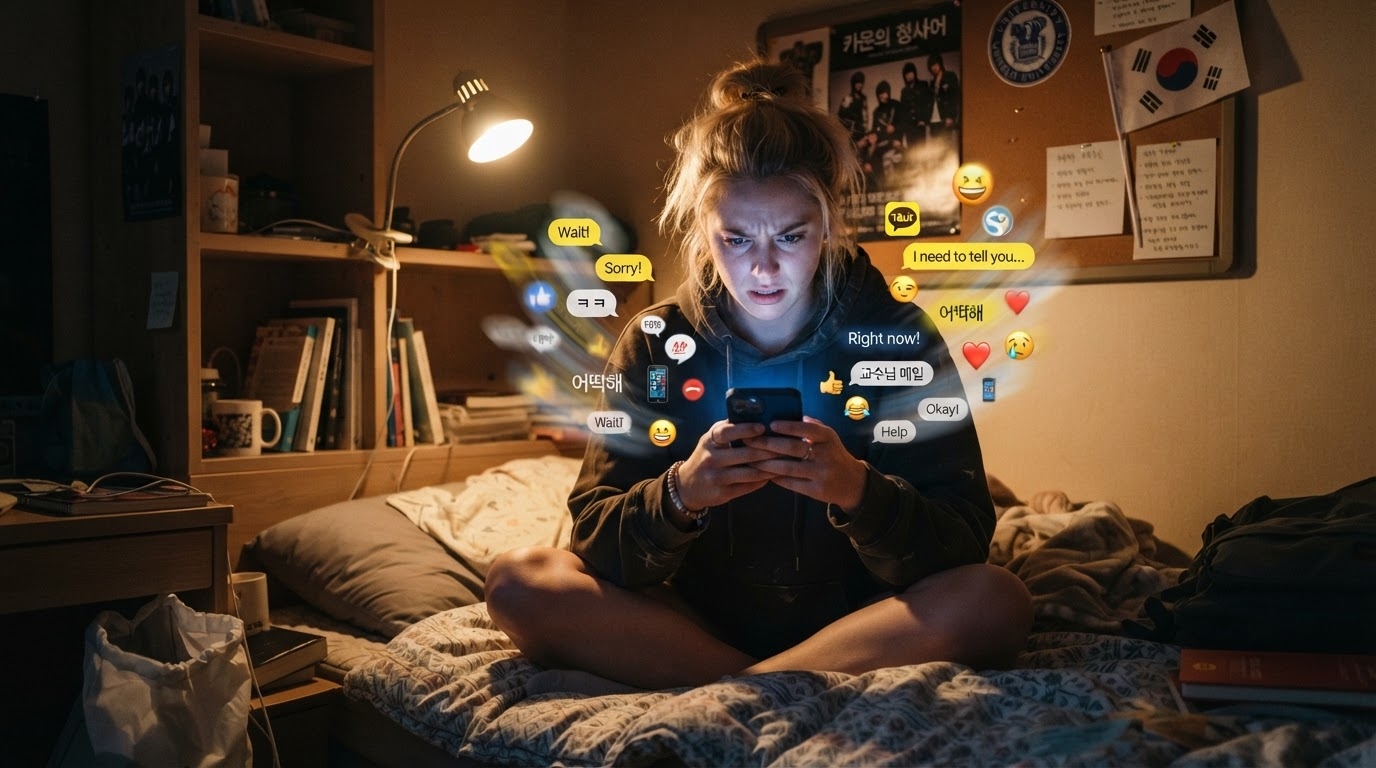
KakaoTalk, Korea's main messaging app, shows a small yellow "1" next to a message until the other person reads it. In many countries, reading a text and replying a few hours later is completely normal. In Korea, if that "1" disappears and no reply follows within a few minutes, your Korean friend might genuinely start wondering if they said something wrong. This isn't really about ppalli-ppalli alone — it connects to a deeper social expectation that ignoring someone, even briefly, can feel like a small act of rudeness. Expats often describe the pressure to reply instantly as one of the hardest habits to adjust to.
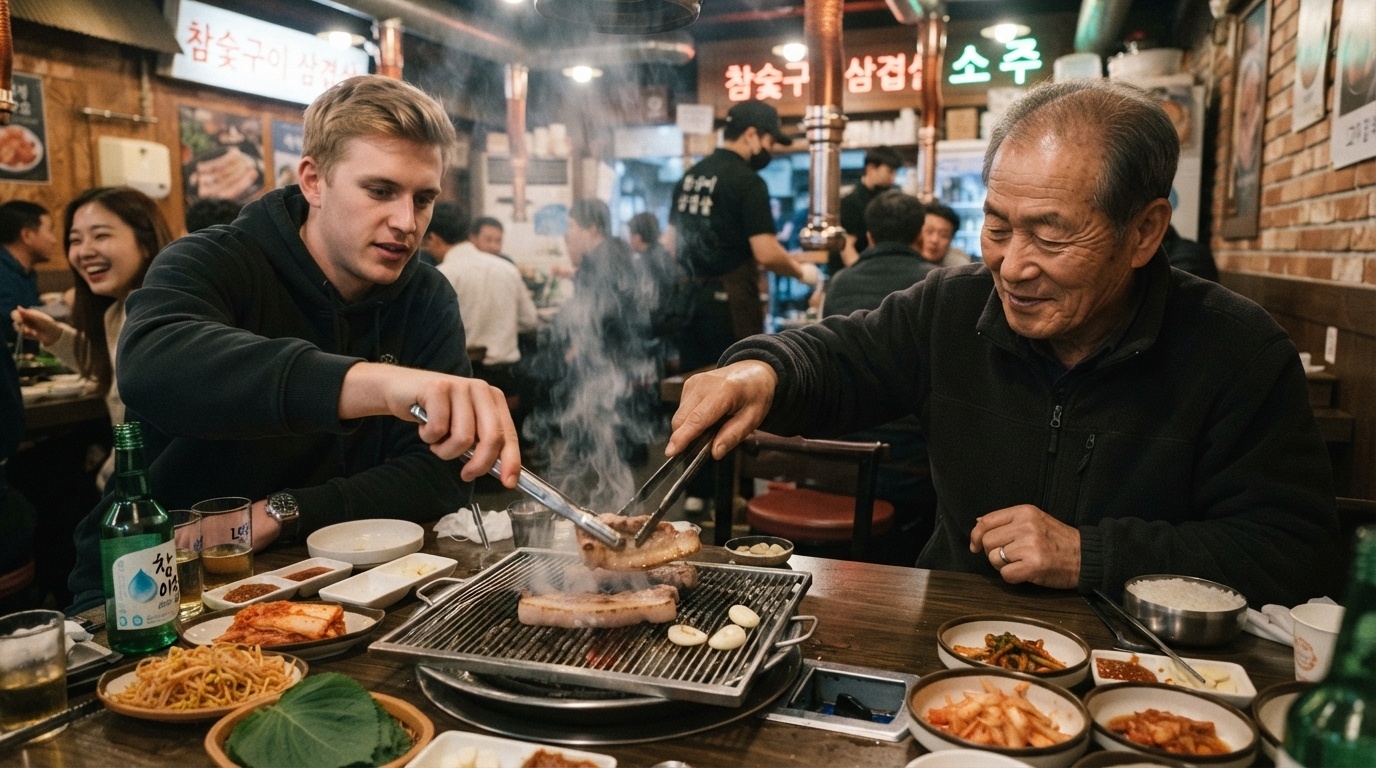
You're struggling with the tongs at a Korean BBQ restaurant. The stranger at the next table leans over, takes the tongs, flips your meat to the right angle, nods, and returns to their own meal without another word. Or a fruit vendor at a market hands you a slice to try before you've even asked. This is 정 (jeong) — a distinctly Korean sense of warmth and attachment extended even to strangers — quietly at work. If this connects to a feeling of "how do people trust each other so easily here," it's the same social fabric that lets Koreans leave laptops unattended in cafés, which we covered in more detail in our post on nunchi culture.
https://seoulscenedecoder.tistory.com/3
What Is 'Nunchi'? The Invisible Social Skill That Rules Korean Society
Have you ever watched a K-drama and noticed how characters seem to just know what someone else is feeling — without a single word being spoken? A junior employee senses their boss is upset before anyone says anything. A character walks into a tense room
seoulscenedecoder.tistory.com

You catch a cold, walk into a clinic, fill out a short form, wait about 10 minutes, see a doctor for 5, walk downstairs to the pharmacy, and walk out with medicine in hand — all in about 25 minutes, at a surprisingly low cost. For foreigners used to booking appointments two weeks in advance and taking a half-day off work, this speed feels almost unreal. It's a smaller, everyday echo of the same urgency that once built an entire highway in two and a half years — a story we told in our post on where ppalli-ppalli culture actually came from.
https://seoulscenedecoder.tistory.com/4
You've become close with a Korean friend — casual, comfortable, no formalities. Then you find out they're two years older, and suddenly there's a whole new layer to the relationship: different speech levels, different expectations, sometimes even a new title like oppa or unnie. Korean has built-in formality tied to age, and figuring out where you stand can feel like learning a second language inside the language you already know. (This age-and-hierarchy system is such a deep rabbit hole that it deserves — and will get — its own full post soon.)
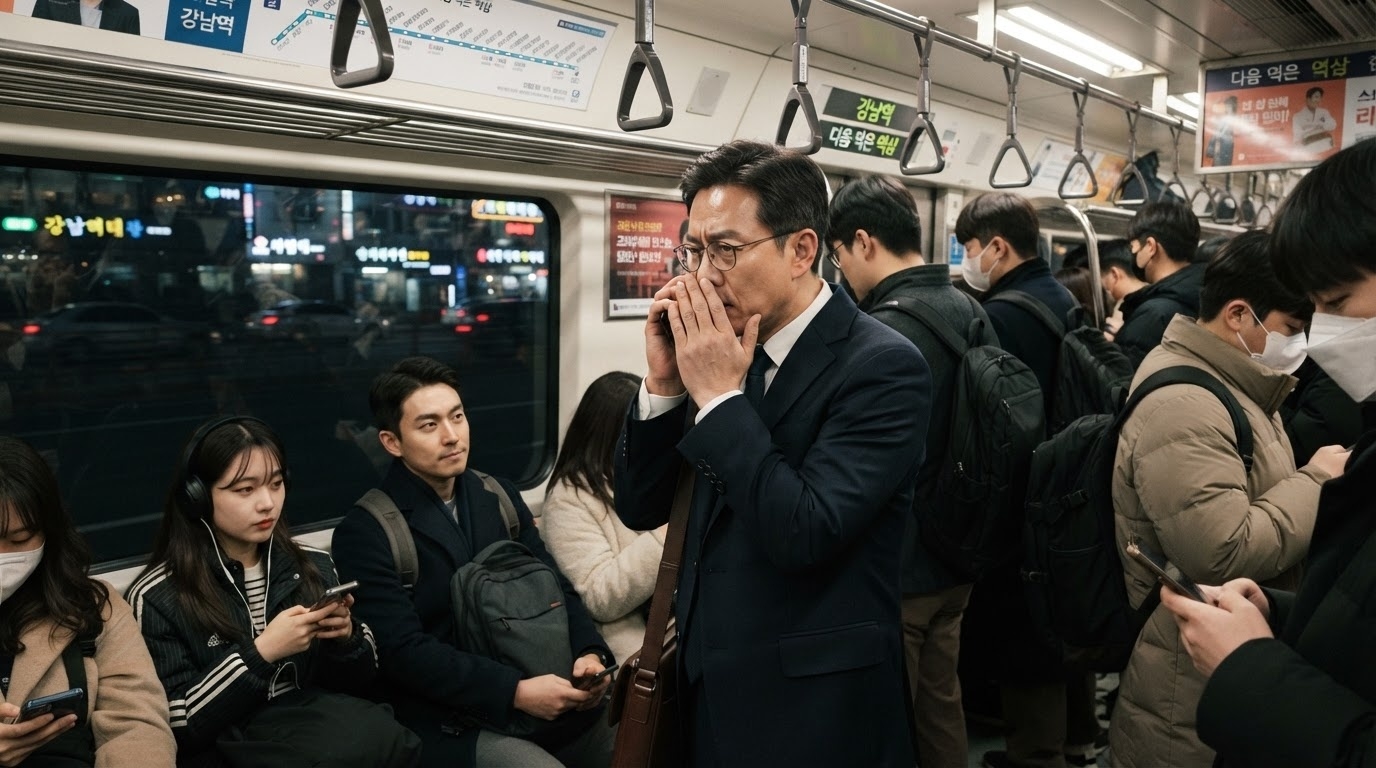
Talking loudly on the subway isn't illegal, but the social pressure against it is very real. Phone calls are taken in hushed tones or held off until the next stop. Even groups of friends noticeably lower their voices underground. Foreigners who accidentally laugh too loudly on a Seoul subway car often describe a very specific, very quiet kind of collective disapproval — no words, just a shift in the air — that communicates everything without anyone saying a thing.
None of these are meant to intimidate you — they're part of what makes daily life in Korea so smooth once you understand them. A few quick tips: don't fight the "no tipping" rule, just enjoy the free seobiseu instead; reply to KakaoTalk messages a little faster than feels natural back home; and when in doubt, just watch what everyone around you is doing — that's basically nunchi in practice.
Korea's biggest culture shocks aren't scary — they're the small, everyday moments where you realize a whole society runs on rules nobody wrote down, but everybody somehow knows.
Which of these 8 moments surprised you the most? Or is there a culture shock you experienced that's not on this list? Share your story in the comments!
culture shock in korea, living in korea as a foreigner, korean culture surprises, what shocks foreigners in korea, korea travel tips


