"Korean work dinners used to mean soju shots, karaoke tambourines, and getting home at 2 AM. Here's how — and why — that's finally changing.
hoesik korean culture, korean work dinner, korean office culture, korean drinking culture
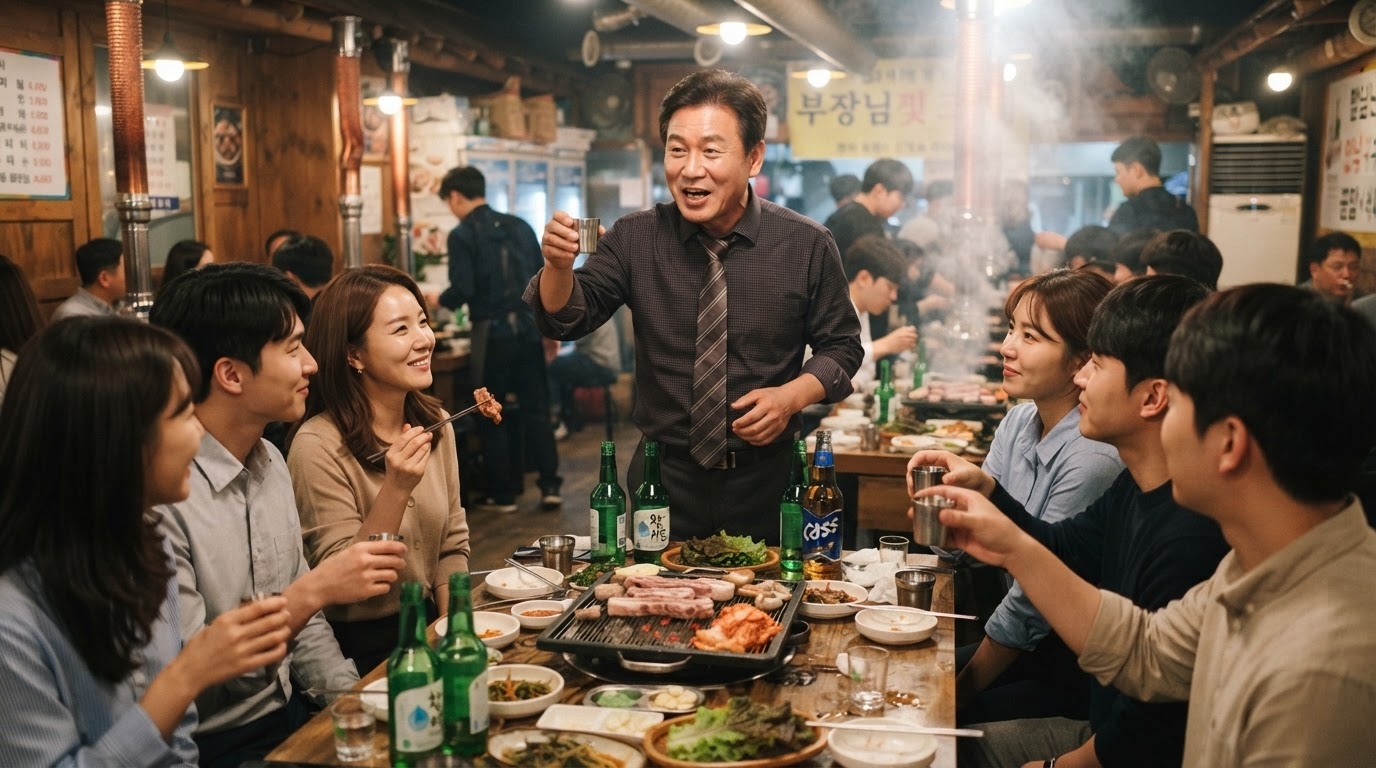
[탬버린을 흔드는 막내 사원, 그 장면이 사실은 업무의 연장이었습니다]
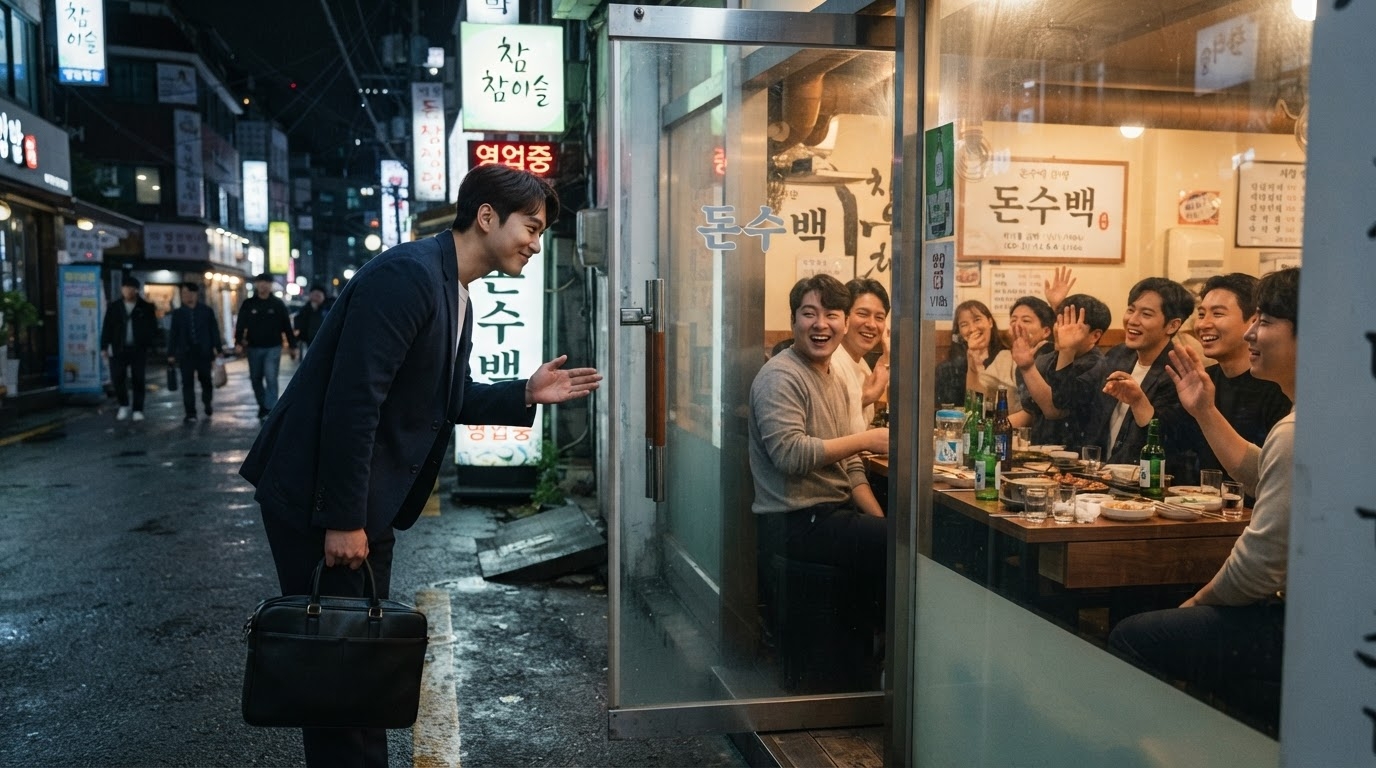
If you've ever watched a K-drama office scene, you know this moment: the whole team sits around a barbecue table, the boss makes a long toast, and everyone downs a shot of soju at once. Three hours later they're in a karaoke room, a junior employee frantically shaking a tambourine while the manager belts out an old trot song. This is hoesik (회식), and for decades it wasn't really a dinner — it was practically an extension of your working hours, just with alcohol instead of a keyboard.
K-드라마 오피스 장면을 보셨다면 이 순간이 익숙할 겁니다. 팀 전체가 고깃집 테이블에 둘러앉고, 부장님이 긴 건배사를 하면 다 같이 동시에 소주를 원샷합니다. 세 시간 뒤엔 노래방으로 옮겨서 막내 사원이 정신없이 탬버린을 흔들고 부장님은 옛날 트로트를 열창하죠. 이게 바로 회식인데, 오랫동안 이건 그냥 저녁 식사가 아니라 술이 낀 업무 시간의 연장이었습니다.
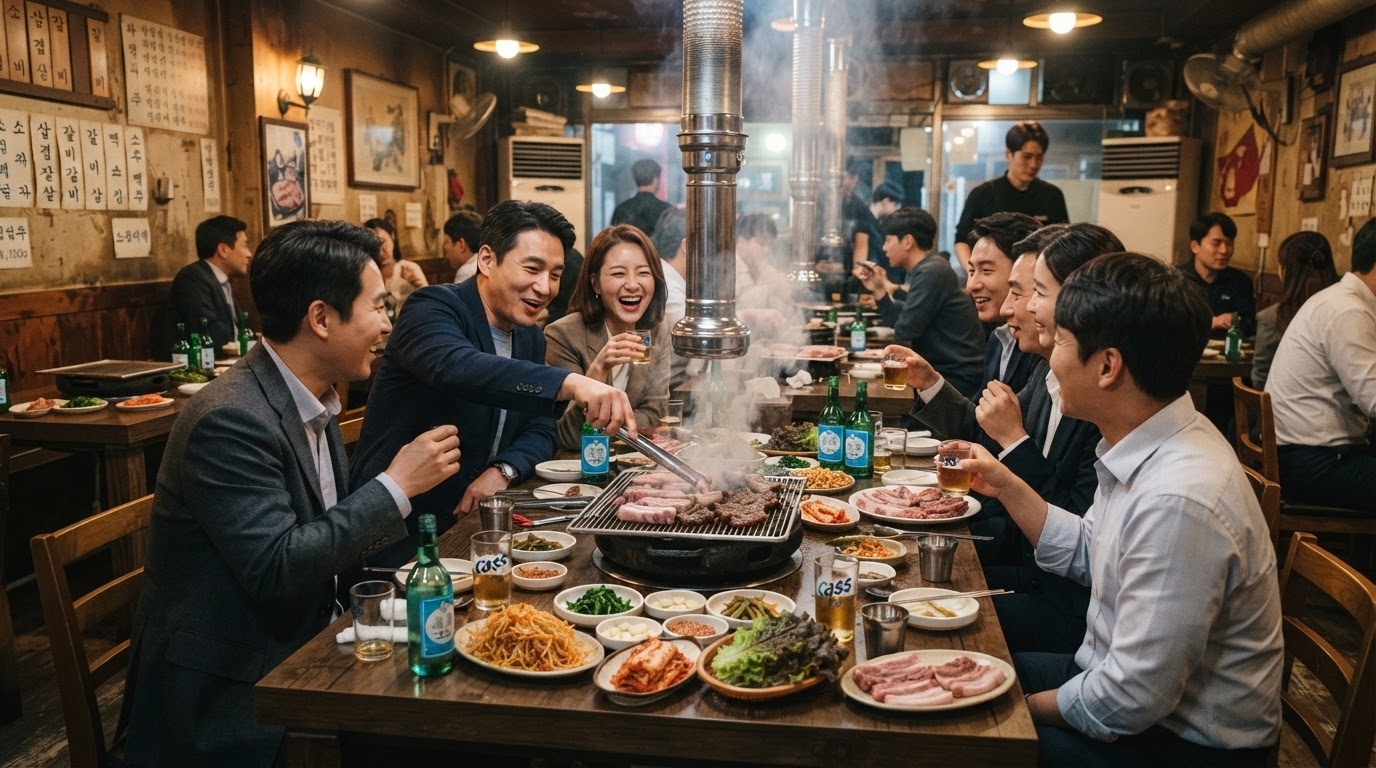
[왜 이렇게까지 강제적이었을까]
The logic went back to Korea's group-oriented, Confucian-influenced corporate culture. Sharing a meal and getting a little drunk together was seen as the fastest way to soften strict office hierarchy — for one night, a junior employee could speak a little more freely to a senior. Skipping hoesik wasn't just missing free meat; it quietly signaled you weren't a team player, which is why people stayed until the very end even when exhausted.
이 논리는 집단 중심적이고 유교적인 한국의 기업 문화에서 나왔습니다. 다 같이 밥을 먹고 살짝 취하는 게 엄격한 사무실 위계를 허무는 가장 빠른 방법이라고 여겨졌거든요. 그날 밤만큼은 후배가 선배에게 조금 더 자유롭게 말할 수 있었습니다. 회식을 빠지는 건 그냥 공짜 고기를 놓치는 게 아니라 "팀 플레이어가 아니다"라는 무언의 신호였고, 그래서 다들 피곤해도 끝까지 자리를 지켰습니다.
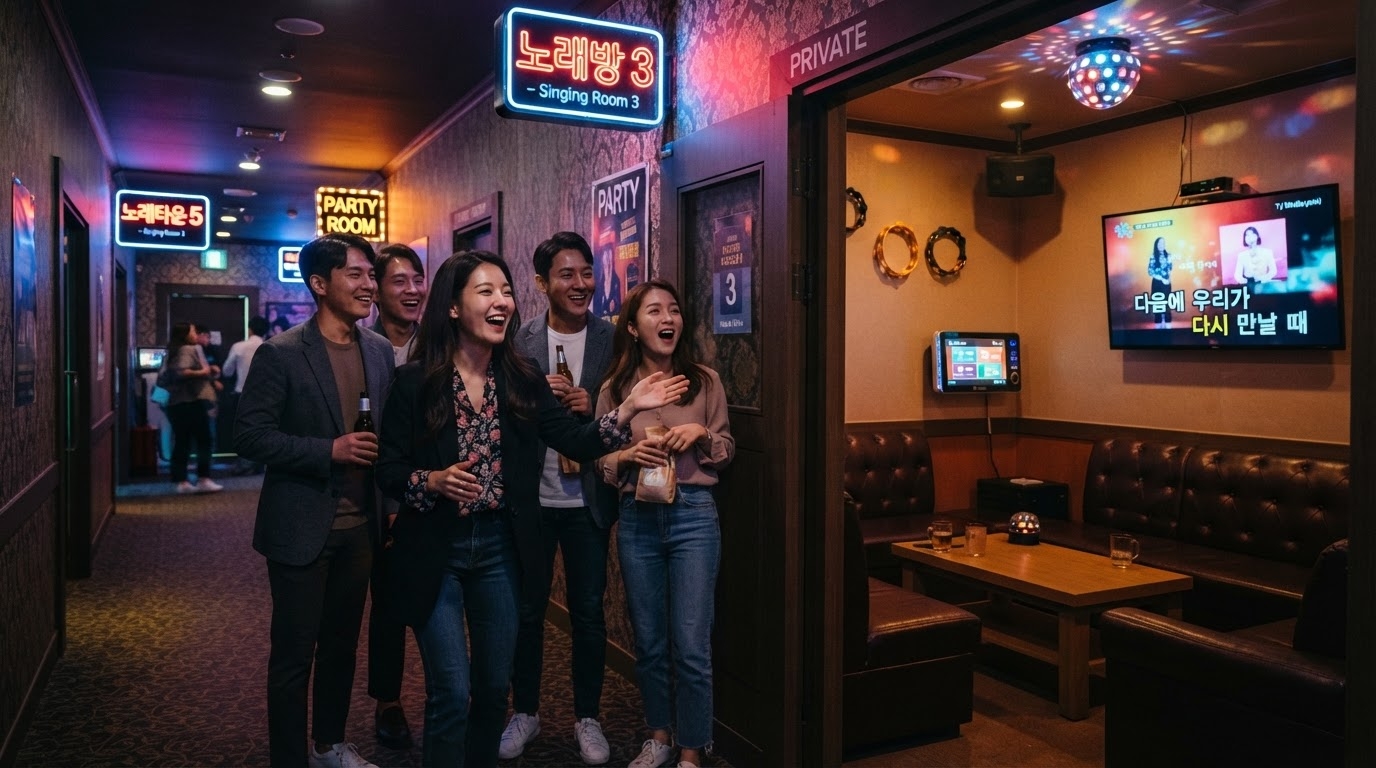
[1차, 2차, 3차 – 숫자가 늘어날수록 격식이 사라집니다]
The rounds have their own logic. Ilcha (1차) is the main dinner — usually meat and soju. Icha (2차) shifts to a bar or noraebang, where hierarchy loosens and real conversations happen. Samcha (3차) is genuinely optional and genuinely messy, thinning out to whoever's still standing. The further you go, the more informal it gets — and the more you see who people actually are once the work mask comes off.
차수에는 나름의 논리가 있습니다. 1차는 보통 고기와 소주가 있는 본 식사입니다. 2차는 바나 노래방으로 옮겨가는데, 여기서 위계가 풀리고 진짜 대화가 오갑니다. 3차는 진짜로 선택적이고 진짜로 혼란스러워지는 구간으로, 아직 버티고 있는 사람들만 남습니다. 차수가 올라갈수록 격식이 사라지고, 직장 마스크를 벗은 사람의 진짜 모습이 보이기 시작합니다.
[요즘은 정말 빠르게 달라지고 있습니다]
Something has genuinely shifted, especially since the pandemic forced companies to cancel large dinners for nearly three years — and when restrictions lifted, the old culture didn't fully bounce back. Combined with Korea's 52-hour workweek law and younger employees openly asking "if this is work, do we get overtime pay?", many teams now do a clean one-round dinner and everyone's home by nine — something that would've seemed almost antisocial a decade ago.
특히 팬데믹 동안 회사들이 거의 3년간 대규모 회식을 취소해야 했고, 규제가 풀린 뒤에도 예전 문화는 완전히 돌아오지 않았습니다. 52시간 근무제 도입과 함께, 젊은 직원들이 "이게 업무면 야근수당 주나요?"라고 대놓고 묻기 시작하면서, 요즘은 깔끔하게 1차만 하고 9시에 다 집에 가는 팀도 많아졌습니다. 10년 전이었으면 거의 반사회적으로 보였을 장면이죠.
[외국인이 회식에서 덜 피곤해지는 요령]
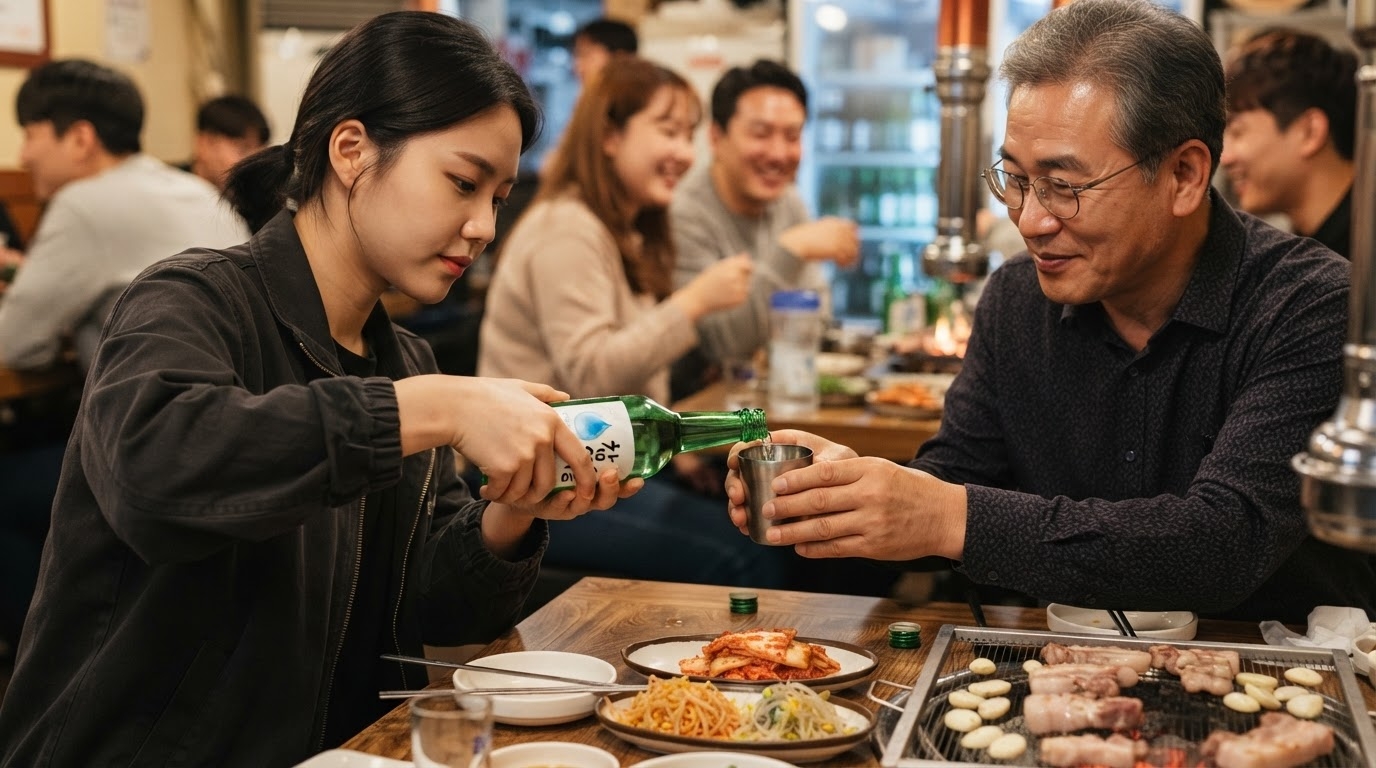
You don't have to drink if you don't want to — politely saying you can't process alcohol well usually gets you soda instead. Pour with two hands for someone senior, and it's completely acceptable these days to attend round one and quietly slip out before round two.
술을 원하지 않으면 안 마셔도 됩니다. 술을 잘 못 마신다고 정중하게 말하면 보통 사이다를 대신 줍니다. 손윗사람에게는 두 손으로 따르고, 요즘은 1차만 참석하고 2차 전에 조용히 빠지는 것도 완전히 허용되는 전략입니다.
[여러분의 퇴근 후는 어떤가요]
Have you ever been to a Korean work dinner, or does your own country have a similar after-work ritual? Did it feel like real bonding, or just work with alcohol? Tell us in the comments.
한국 회식에 가보신 적 있으신가요, 아니면 여러분 나라에도 비슷한 퇴근 후 문화가 있나요? 진짜 팀워크가 다져지는 느낌이었는지, 그냥 술 곁들인 야근처럼 느껴졌는지 댓글로 들려주세요.


